
GABA Skincare: Market Examples and UNIGABA® Development
For beauty brands exploring GABA skincare, the first consideration is not simply whether to add GABA to a formula, but how the ingredient fits into the overall product concept. Should GABA serve as a hero ingredient, play a supporting role in a multi-ingredient formulation, or become part of a broader neurocosmetics concept? Each approach can influence product format, formulation strategy, and opportunities for future line extensions.
How are GABA skincare products currently positioned in global markets? And for brands considering UNIGABA®, what factors should be evaluated before moving into product development?
This article looks at existing market examples and highlights practical considerations for beauty brands planning GABA-related skincare and UNIGABA® ODM/OEM development.
Why Is GABA Entering the Skincare Conversation?
GABA, short for gamma-aminobutyric acid, has traditionally been discussed in areas such as neuroscience, food, and nutritional supplements. In recent years, however, GABA has also appeared in skincare products in different markets.
For beauty brands, the relevance of GABA should be considered within the broader product development context. Which product category is appropriate? How should it fit into the overall formulation concept? And can the ingredient support the product positioning the brand wants to establish?
A 2024 study published in Cosmetics investigated GABA-loaded nanoemulsions, including formulation design, stability, and GABA distribution and permeation in skin models. From a product development perspective, research of this kind highlights the importance of considering the formulation system, dosage form, stability, and actual application conditions when incorporating an ingredient into a finished product.
Source: Charnvanich, D., Singpanna, K., & Panapisal, V. (2024). Formulation and Optimization of Nanoemulsions Loaded with Gamma-Aminobutyric Acid (GABA) for Dermatological Application: Assessing Skin Permeation and Penetration Enhancement. Cosmetics, 11(1), 19.
How Is GABA Skincare Positioned in the Market?
GABA is not yet as widely established in skincare as ingredients such as hyaluronic acid, niacinamide, or ceramides. However, existing products illustrate several ways brands are incorporating GABA into commercial skincare concepts.
For product development teams, the value of these examples is not in replicating existing formulas. Instead, they provide a useful reference for understanding how the same ingredient can support different product positioning strategies.

- Position GABA as a Recognizable Hero Ingredient
Brazilian brand Simple Organic uses the name Solução Gaba, placing GABA prominently in the product identity.
This approach makes the ingredient easy for consumers and retail channels to recognize. At the same time, an ingredient-led strategy requires the brand to develop clear and compliant communication around the ingredient.
From a product development perspective, this shows how GABA can become a central part of a new product launch. When taking this approach, however, product naming, product-page content, ingredient education, and market-specific claims should be considered together rather than treating GABA simply as another ingredient on the label.
Source: Simple Organic, Solução Gaba official product page
2. Incorporate GABA into a Broader Formulation Concept
Another approach is to position GABA as one component within a broader formulation concept.
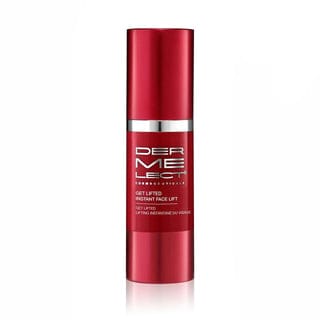
The ingredient list for Dermelect’s GET LIFTED Instant Face Lift, for example, includes gamma-aminobutyric acid alongside peptides, honey, proteins, and other ingredients.
For product development teams, the point is not to reproduce the same formula. Instead, the example illustrates how GABA can be incorporated into a more comprehensive product concept.
In ODM/OEM development, a multi-ingredient concept can also be considered when planning a GABA skincare product. The actual combination of ingredients should be evaluated according to the intended positioning, raw-material specifications, formulation requirements, compatibility, stability, sensory profile, and target-market needs.
Source: Dermelect, GET LIFTED Instant Face Lift official product page
3. Extend the Concept Across a Product Line
Polish professional beauty brand ARKANA offers products including Neuro GABA&NANA Cream, Neuro GABA&NANA Serum, and Neuro GABA Body Balm. These examples show how a GABA concept can extend beyond a single facial skincare product and become part of a broader neurocosmetics-oriented line.
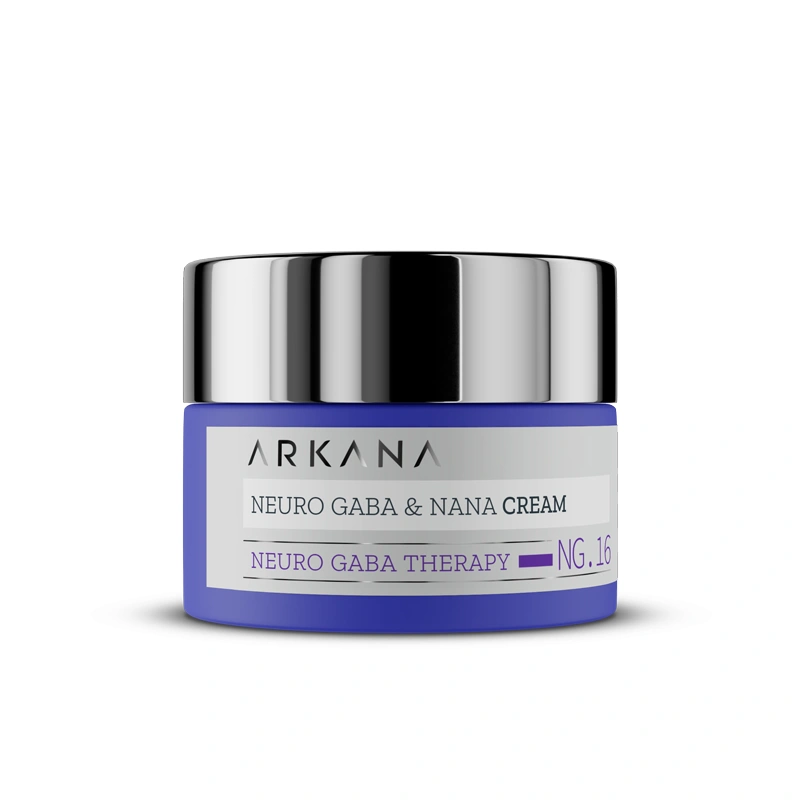
ARKANA|Neuro GABA&NANA Cream
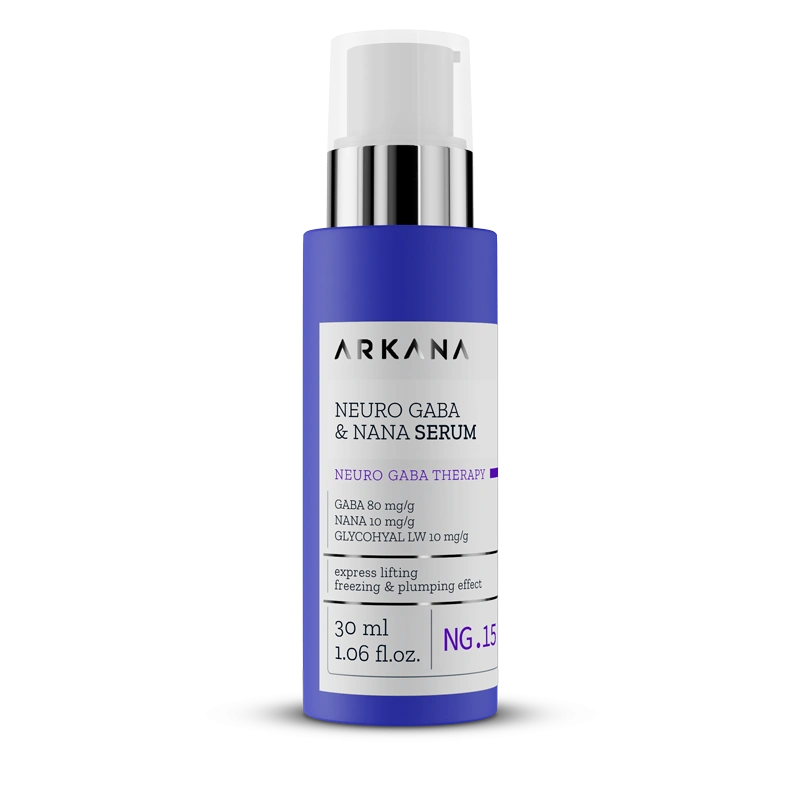
ARKANA|Neuro GABA&NANA Serum
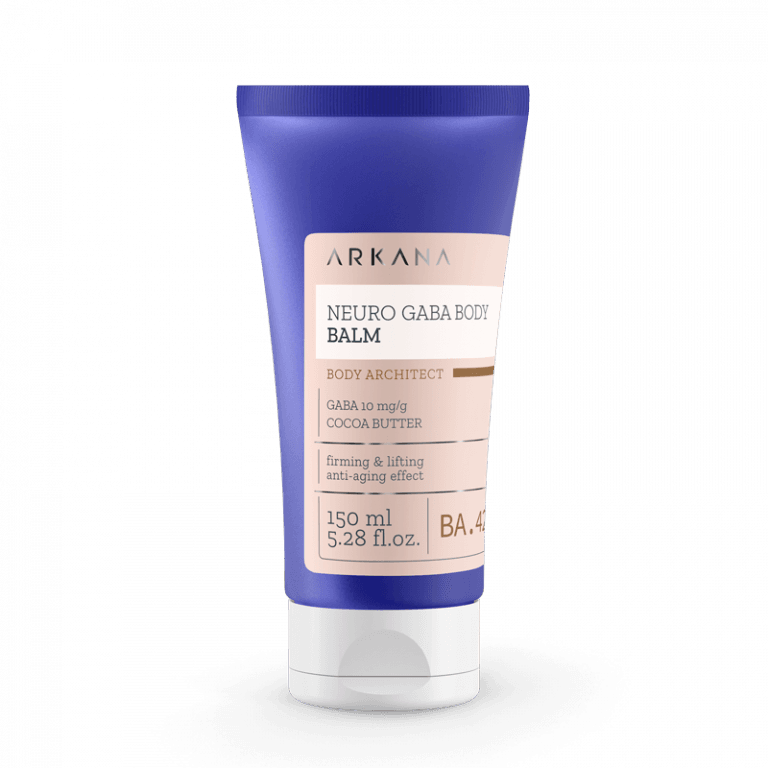
ARKANA|Neuro GABA Body Balm
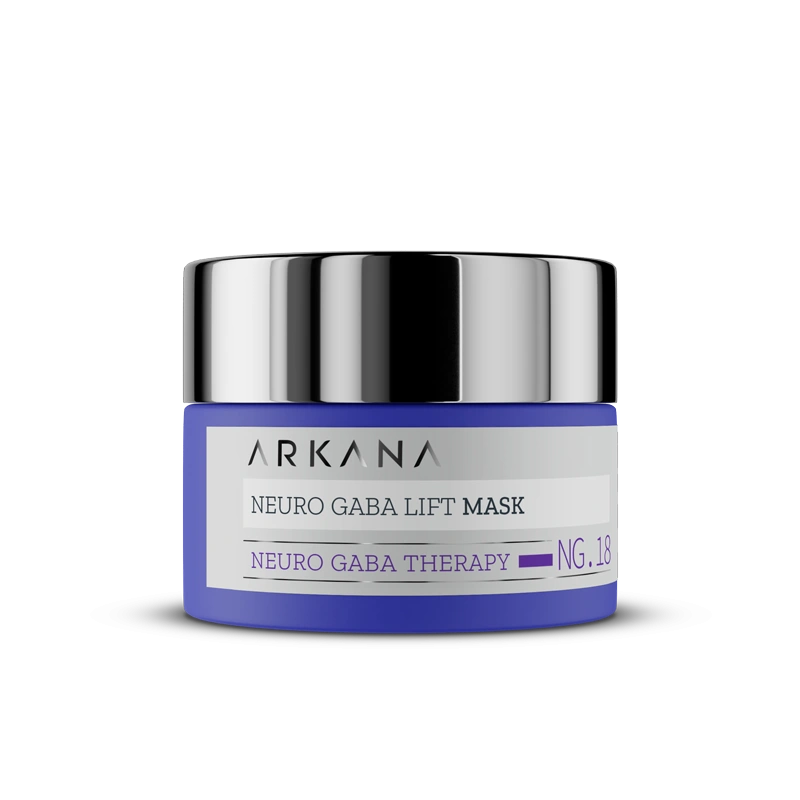
ARKANA|Neuro GABA Lift Mask
For product managers, this raises a different set of development questions.
What market perception should the first launch establish? Could the concept later extend into a serum, cream, mask, or body care product? How should different formats maintain a consistent product language? And should GABA remain the central ingredient story throughout the line or become part of a broader formulation concept?
For brands planning a portfolio rather than a single SKU, these questions can be considered from the beginning of product development.
Source: ARKANA official product pages for Neuro GABA&NANA Cream, Neuro GABA&NANA Serum, and Neuro GABA Body Balm
How Does GABA Fit into Sensory Skincare and Neurocosmetics?
Sensory skincare has become part of broader beauty industry discussions around the skin-brain connection, sensory design, emotional perception, texture, and neurocosmetics-related concepts. Products in different markets also show how GABA is being incorporated into neurocosmetics-related positioning.
For brands developing products in this area, however, it is important to distinguish the scientific background of GABA from claims that can appropriately be made for a cosmetic product. Product communication should therefore be evaluated according to the regulatory requirements of each target market.
A more considered approach to neurocosmetics development is to look beyond a single ingredient and evaluate the complete product concept, including formulation logic, texture, fragrance, usage occasion, and target-market requirements.
In the European Union, for example, cosmetic claims are subject to the common criteria established under Commission Regulation (EU) No 655/2013. These criteria address areas including truthfulness, evidential support, and honesty. For brands entering international markets, product appeal and claim substantiation therefore need to be considered together during development.
Source: European Commission, Commission Regulation (EU) No 655/2013.
From Product Positioning to UNIGABA® Development
UNIGABA® is an ingredient developed by Unicare Biotech.
As the market examples above demonstrate, brands can take different approaches when building a skincare concept around GABA. For brands considering UNIGABA®, product development can begin with their existing positioning and new product strategy before determining the most appropriate product format.
Depending on the product concept, brands may explore serums, creams, masks, or other formats. Formulation concepts, texture, and usage occasions can also help shape the final product. For brands planning a broader product line, potential extensions and consistency across different products can be considered from an early stage.
Target market, sales channel, packaging, and launch plans may further influence the development direction. Unicare Biotech can work with brands to discuss UNIGABA® formulation, product format, and product line planning as the concept moves into the ODM/OEM development stage.
5 Key Considerations Before Developing with UNIGABA®
Once a concept moves into ODM/OEM development, decisions extend beyond ingredient selection. Brands evaluating UNIGABA® can use the following five areas to structure an initial product brief.
1. What Role Will UNIGABA® Play in the Product Concept?
Start by defining how UNIGABA® fits into the overall product concept. This can influence product naming, product-page communication, formulation design, and how the product is presented across different sales channels.
2. Which Market Is the Product Intended For?
Cosmetic ingredient, labeling, claims, and market-entry requirements can vary across Taiwan, the European Union, the United States, Southeast Asia, the Middle East, and other markets.
Identifying the target market early in development can help reduce the need to revise the product direction later.
3. Which Product Format Best Fits the Positioning?
Serums, creams, masks, and body care products each serve different usage occasions. Format selection can also influence formulation structure, texture, and packaging decisions.
Unicare Biotech has incorporated UNIGABA® into different ODM product concepts. Brands can discuss suitable formats based on their positioning and broader product-line requirements.
4. How Should the Overall Formulation Concept Be Structured?
More ingredients do not necessarily create a stronger formulation concept.
Ingredient selection should support the intended product positioning while also taking formulation compatibility, stability, texture, and sensory experience into consideration.
5. Is There Potential for a Product Line?
If the long-term plan is to expand from one launch into a broader range, line-extension potential can be considered from the first product.
This includes how different formats relate to one another, how usage occasions may differ, and how the overall concept can remain consistent across the line.
Clarifying these considerations early can make subsequent ODM/OEM discussions more focused. Unicare Biotech can work with a brand’s existing positioning, target market, and launch plan to discuss suitable UNIGABA® formulation, format, and product-line development directions.
Q1:What product development directions can brands explore with UNIGABA®?
A:Brands can explore different formats, formulation concepts, and line-extension strategies according to their target market, product positioning, and existing portfolio. If a launch strategy is already defined, development can begin with the first planned SKU while considering potential extensions at the same time.
Q2:What product formats can be developed with UNIGABA®?
A:Unicare Biotech has incorporated UNIGABA® into different ODM product concepts. The appropriate format can be discussed based on brand positioning, usage occasion, formulation requirements, and packaging needs.
Q3:Can UNIGABA® be formulated with other ingredients?
A:Potential combinations should be evaluated according to the intended product concept and actual formulation requirements. Compatibility, stability, texture, and sensory experience should also be considered to ensure that the overall formulation supports the intended positioning.
Q4:What information should a brand prepare before starting a UNIGABA® ODM/OEM project?
A: It is helpful to provide the target market, target consumer, product positioning, preferred format, packaging direction, sales channel, and expected launch plan. Existing product concepts or portfolio plans can also help make formulation and product development discussions more focused.
Q5:Does Unicare Biotech provide ODM/OEM development for UNIGABA® products?
A:Yes. Brands can discuss UNIGABA® ODM/OEM development based on their positioning, target market, and new-product plans. Unicare Biotech’s ODM/OEM projects generally have a minimum order quantity of 5,000 pieces per SKU. Actual project requirements depend on the product type, formulation, packaging, and individual development requirements.
Discuss UNIGABA® Product Development with Unicare Biotech
From the way GABA products are positioned in international markets to the development of a new product, every brand has its own portfolio strategy and market requirements.
For brands evaluating UNIGABA®, development can begin with the existing product positioning and launch plan, followed by discussions around suitable formats, formulation concepts, and potential line extensions.
Unicare Biotech works with brands on ODM/OEM product planning and development requirements. If your team is planning a new skincare project, contact Unicare Biotech to discuss potential product development and collaboration opportunities.
- Cosmetics, 2024, Formulation and Optimization of Nanoemulsions Loaded with GABA
- Simple Organic, Solução GABA official product page
- Dermelect, GET LIFTED Instant Face Lift official product page
- ARKANA, Neuro GABA&NANA Cream official product page
- ARKANA, Neuro GABA&NANA Serum official product page
- ARKANA, Neuro GABA Body Balm official product page
- European Commission, Regulation (EU) No 655/2013 on cosmetic claims:
The content of this article is based on market observations, product development experience, and industry trends for reference and exchange purposes only. Actual brand strategies should be evaluated based on individual needs and conditions.
